by Yusra » 23 Feb 2026, 20:14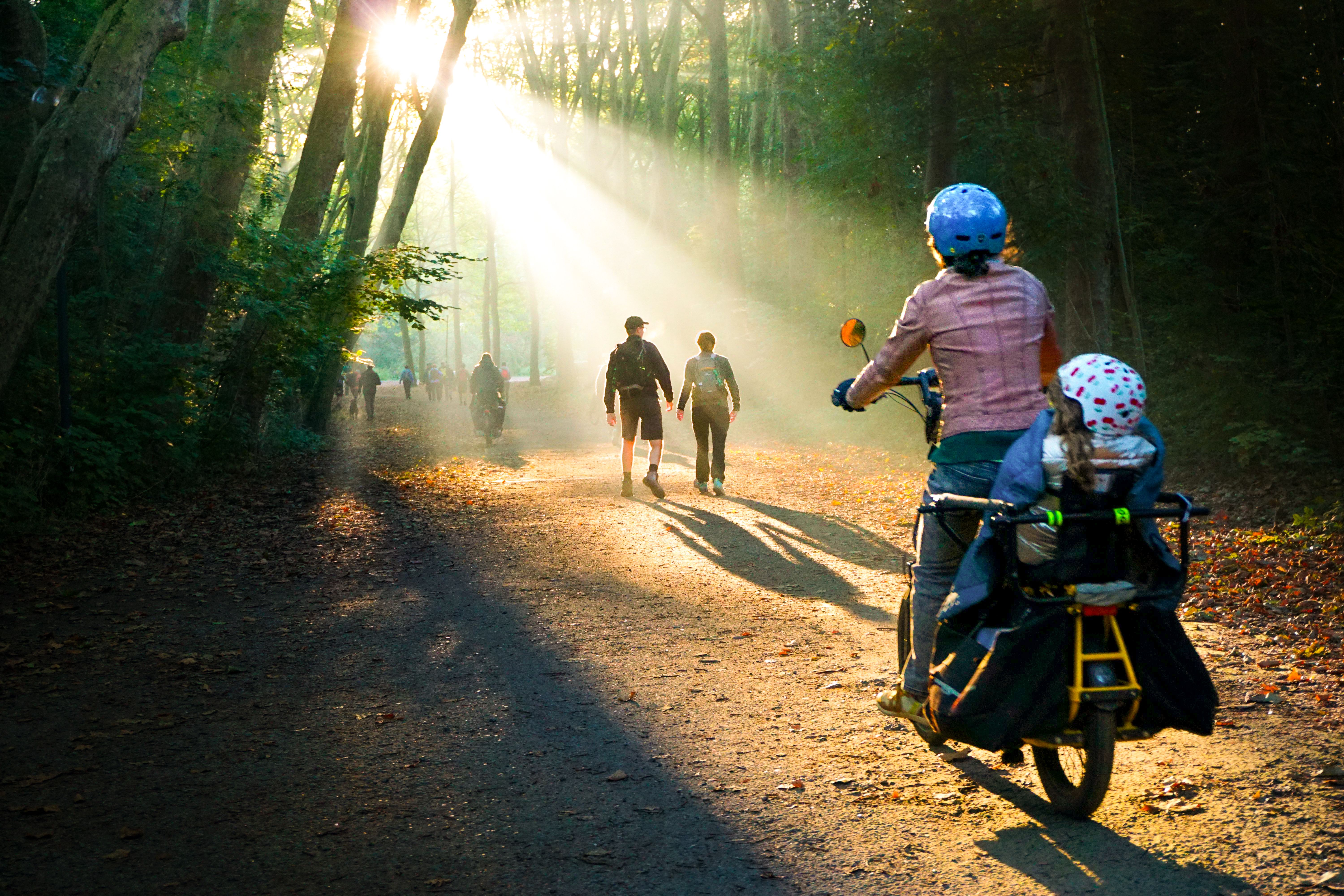
Most people think about walking or biking as a way to get exercise. And sure, that's part of it. But if that's the only lens you're using, you're missing a much bigger picture. Swapping the car for your feet or a bicycle even just a few times a week quietly delivers benefits that go well beyond burning calories. Some of them you'd expect. A lot of them you wouldn't.
The Money You Stop Thinking About
Driving is expensive in ways that are easy to overlook because the costs are spread out and normalized. Gas, insurance, registration, parking, oil changes, tire replacements, the occasional repair that hits at the worst possible time. it all adds up to thousands of dollars a year for the average driver. And because most of those costs feel routine, they don't register as the financial drain they actually are.
When you walk or bike for trips you'd otherwise drive, those costs shrink. Not dramatically overnight, but steadily and meaningfully. Someone who bikes to work three days a week instead of driving isn't just saving on gas. They're putting less wear on their car, extending the time between services, and potentially freeing themselves from a second car payment altogether if they lean into it enough. Over a year, those savings can be significant. Over a decade, they're life-changing.
Biking specifically also tends to reframe how you think about short trips. Once you realize that the coffee shop two miles away is a perfectly reasonable bike ride, you stop defaulting to the car for every errand. That mental shift has a compounding financial effect that most people never fully calculate.
What It Does to Your Brain
Here's something that doesn't get nearly enough attention: walking and biking are remarkably good for your mental health, and not just because exercise releases endorphins.
There's something about moving through your environment at a human pace that gives your brain a kind of rest it rarely gets in a car. When you drive, you're task-focused watching traffic, making decisions, navigating. When you walk or bike, your mind has more room to wander in a healthy, unforced way. Ideas surface. Problems you've been overthinking start to untangle. A lot of people report their best thinking happens on a walk, and that's not a coincidence.
Research has consistently linked regular walking with lower rates of anxiety and depression. It reduces cortisol, the stress hormone, and improves sleep quality. These aren't minor effects. For a lot of people, a daily walk does more for their mental state than almost anything else they try.
You Actually Notice Where You Live
There's a version of your neighborhood you've never seen because you've always driven through it. Walking and biking force you to slow down and interact with your surroundings in a way that driving simply doesn't allow. You notice the bakery you've passed a hundred times but never stopped at. You find the shortcut through the park. You start recognizing faces. You wave at neighbors. Over time, you develop a genuine relationship with the place you live, rather than just passing through it on the way to somewhere else.
This sounds small, but it has a real effect on how connected and rooted you feel. People who walk and bike their neighborhoods tend to feel a stronger sense of community than those who drive everywhere. And that sense of belonging has documented effects on wellbeing that are hard to replicate any other way.
The Environmental Case — Without the Guilt Trip
You already know cars produce emissions. That's not new information. But it's worth acknowledging that choosing to walk or bike, even occasionally, is one of the most direct and immediate ways an individual can reduce their personal environmental footprint. No special equipment, no lifestyle overhaul, no subscription required. Just a different choice about how to get from one place to another.
It's not about being perfect or going car-free entirely. It's about recognizing that some trips don't actually need a car, and making a different call when that's the case.
The benefits stack quietly. Better health, more money, a clearer head, a stronger connection to where you live, and a slightly lighter impact on the world around you.
That's a lot of return for just leaving the keys on the counter.