by Danny B. » 22 Mar 2025, 22:04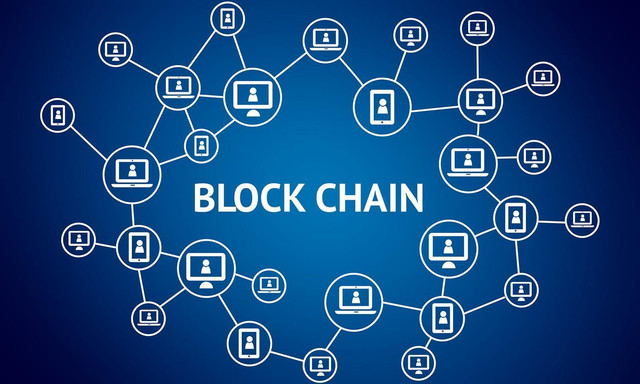
What is Blockchain?
At its core, a blockchain is a distributed digital ledger that records transactions across many computers in such a way that the registered transactions cannot be altered retroactively. This structure ensures transparency and security, allowing participants to verify and audit transactions independently without the need for a centralized authority.
The term "blockchain" comes from the way data is organized. Transactions are grouped into blocks, which are then linked together in chronological order, forming a chain. Each block contains a timestamp, a reference to the previous block (in the form of a cryptographic hash), and a list of transactions. This interconnection of blocks makes it incredibly difficult to tamper with the data; if someone attempts to alter a block, it would change the hash for that block and invalidate all subsequent blocks.
Key Features of Blockchain
1. Decentralization: Unlike traditional databases managed by central entities, blockchain operates on a peer-to-peer network. Each participant (or node) maintains a copy of the entire blockchain, ensuring that there is no single point of failure. This decentralization enhances system resilience and reduces the risk of manipulation.
2. Transparency: All transactions on a blockchain are visible to all participants, promoting accountability. While the identities of the parties involved can remain pseudonymous, their transaction history is open for review, thus fostering trust among users.
3. Immutability: After a transaction is recorded on the blockchain, altering it is almost impossible without the consensus of the network. This property makes blockchain a reliable record-keeping system, suitable for applications like supply chain management, where tracking the provenance of goods is critical.
4. Security: Blockchain uses cryptographic techniques to secure data. Each block is linked to the previous one, and any attempt to change existing data would require a substantial amount of computational power and resources, thereby deterring malicious activities.
Applications Beyond Cryptocurrency
While most people associate blockchain with digital currencies, its applications extend to numerous fields:
Supply Chain Management: Companies are using blockchain to enhance traceability in supply chains. By recording each step in the lifecycle of a product—from manufacturing to delivery—participants can ensure authenticity and address issues related to provenance or quality control.
Healthcare: Blockchain can improve health record management, allowing patients to control who accesses their information. It also enables interoperability among various healthcare providers, ensuring seamless sharing of medical data while maintaining privacy.
Voting Systems: Blockchain can transform electoral systems by providing a tamper-proof solution for casting and counting votes. Such a system could increase voter confidence and reduce incidences of fraud.
Smart Contracts: These are self-executing contracts with the terms written into code on the blockchain. Smart contracts automatically enforce agreements when certain conditions are met, streamlining processes in industries like real estate, insurance, and finance.
Challenges and Future Prospects
Despite its potential, blockchain technology is not without challenges. Issues such as scalability, regulation, and energy consumption (especially for proof-of-work systems) pose significant barriers to widespread adoption. However, growing interest in innovative solutions—like proof-of-stake consensus mechanisms and layer 2 scaling solutions—signals that the technology is evolving.
In conclusion, blockchain technology holds immense promise, and its implications are far-reaching. As businesses and developers continue to explore its capabilities, the potential for transformation across numerous sectors is only beginning to be realized. For those passionate about technology and its role in shaping the future, blockchain offers an exciting frontier to explore.