by Danny B. » 26 Feb 2025, 16:20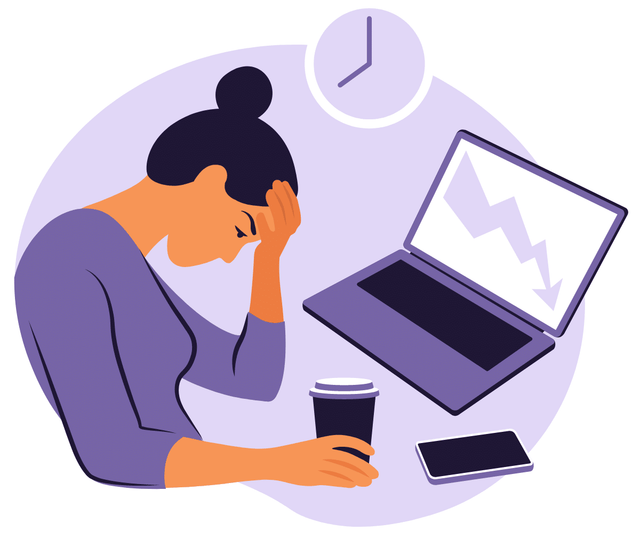
You're Not a Machine
In today's hyper-connected world, the internet has transformed how we communicate, learn, and interact with information. While these advancements offer numerous benefits, they also come with challenges that can impact our mental health. For social media, remote workers, and internet forum users, who are often immersed in constant streams of information and opinions, maintaining mental well-being is crucial. Here, we explore strategies to safeguard your mental health while engaging in the digital landscape.
Establish Boundaries And Be Selective
First and foremost, it’s essential to establish boundaries around your online interactions. The internet is a vast ocean of content, and without limits, it can become overwhelmingly stressful. This can manifest as information overload—when your brain feels bombarded by too many thoughts, opinions, and perspectives. Set specific times for browsing or participating in forums, and stick to them. Consider utilizing tools that help you manage your online time, such as website blockers or productivity apps. By carving out dedicated periods for internet use, you allow yourself time to recharge and engage more mindfully.
Another critical aspect of maintaining mental health online is being selective about the information you consume. Curate your digital environment by subscribing to content that uplifts you or challenges you constructively. Avoid forums or groups that are excessively negative, argumentative, or toxic. Instead, seek out communities that foster healthy discussions and support. Remember, you have the power to control the information that enters your life, so focus on those spaces that enrich your mental well-being.
Engagement in forums often exposes users to differing opinions, and while it's essential to be open-minded, it's equally important to remember not to take everything personally. The anonymity provided by the internet allows individuals to express themselves freely, but it can often lead to volatile encounters. Build resilience by practicing emotional detachment from the discourse. When reading comments or critiques, remind yourself that differing opinions do not invalidate your perspective. Understanding that everyone is entitled to their viewpoint can help you navigate online discussions with a more balanced mindset.
Avoid Brain Fatigue
Additionally, it's essential to recognize the signs of digital fatigue. Constant exposure to screens and online conversations can lead to burnout. If you start to feel overwhelmed, anxious, or irritable after spending time online, consider taking extended breaks. Disconnecting for a day or even a few hours can significantly boost your mental clarity and emotional state. Use this time to engage in offline activities that you enjoy, whether it’s reading a book, going for a walk, or spending time with loved ones. A temporary retreat from the digital world can provide much-needed perspective.
Social media and internet forums also tend to amplify comparison culture, where users compare their lives to the curated versions displayed online. This can lead to feelings of inadequacy and low self-esteem. Instead of engaging in self-comparison, celebrate your unique journey. Acknowledge your accomplishments and focus on personal growth rather than measuring yourself against others.
Seek Help When Needed
Lastly, don’t hesitate to seek professional help if you're feeling overwhelmed. Mental health professionals can provide guidance tailored to your needs and can equip you with tools to manage stress and anxiety revolving around your online life. Remember, you are not alone in this journey, and seeking help is a sign of strength, not weakness. Just try to avoid immediatist solutions, like anti-depressants and pills for headache, because you can easily become addicted. It's fundamental to understand the cause of the symptoms as deeply as possible, so you can truly solve them, instead of just trying to alleviate symptoms.
Conclusion
In conclusion, maintaining mental health in the era of information requires a proactive approach. By setting boundaries, being selective about content, cultivating emotional resilience, taking breaks, avoiding comparison, and seeking help when needed, internet citizens can create a healthier relationship with the digital world. Prioritizing mental well-being will ultimately lead to a more rewarding and fulfilling online experience.