by Yusra » 02 Aug 2024, 04:44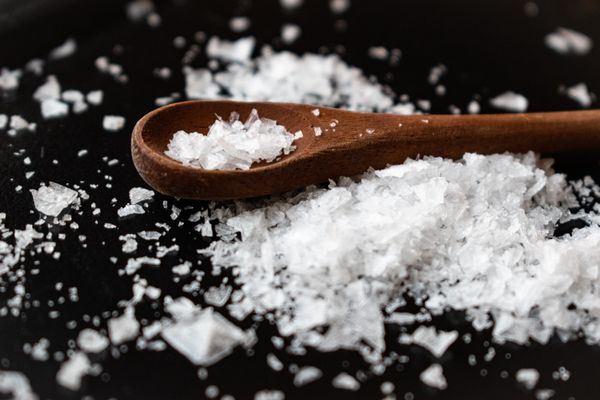
Salt, or sodium chloride, is a ubiquitous presence in our diets. It's on our tables, in our favorite snacks, and hidden in many processed foods. While salt is essential for our bodies to function properly, the amount we consume has become a topic of concern for health professionals worldwide. Are you eating too much salt? Let's delve into what you should know about this common table condiment.
The Role of Salt in Our Bodies
Before we discuss the potential dangers of excessive salt consumption, it's important to understand why we need salt in the first place. Sodium, one of the main components of salt, plays a crucial role in various bodily functions. It helps maintain the balance of fluids in our bodies, aids in nerve transmission, and is essential for muscle function. Our bodies don't produce sodium naturally, so we need to obtain it from our diet.
How Much Salt Do We Need?
The amount of salt our bodies require is surprisingly small. According to the World Health Organization (WHO), adults should consume less than 5 grams of salt per day, which is equivalent to about one teaspoon. However, the reality is that most people consume far more than this recommended amount.
The Hidden Salt in Our Diets
While some people may think they don't use much table salt, it's important to realize that much of our salt intake comes from processed and prepared foods. Items like bread, cheese, canned soups, and frozen meals often contain high levels of sodium. Even foods that don't taste particularly salty, such as cereals or pastries, can contribute significantly to our daily salt intake.
The Health Risks of Excessive Salt Consumption
Consuming too much salt can lead to various health issues, with high blood pressure being the most well-known consequence. High blood pressure, or hypertension, is a major risk factor for heart disease and stroke, two of the leading causes of death worldwide.
Excessive salt intake has also been linked to:
1. Increased risk of stomach cancer
2. Osteoporosis
3. Kidney disease
4. Increased water retention, leading to swelling
5. Heightened risk of cognitive decline
It's worth noting that some individuals are more salt-sensitive than others, meaning their blood pressure responds more dramatically to salt intake. This includes older adults, people of African descent, and those with conditions like diabetes or chronic kidney disease.
Signs You Might Be Consuming Too Much Salt
While the effects of high salt intake often develop over time, there are some signs that might indicate you're consuming too much salt:
1. You feel bloated or puffy
2. You're always thirsty
3. You have high blood pressure
4. You get frequent headaches
5. You have kidney stones
How to Reduce Your Salt Intake
Reducing your salt intake doesn't mean you have to eat bland, flavorless food. Here are some strategies to help you cut back:
1. Read food labels: Be aware of the sodium content in packaged foods. Look for low-sodium alternatives.
2. Cook more meals at home: This gives you control over how much salt goes into your food.
3. Use herbs and spices: These can add flavor to your dishes without the need for extra salt.
4. Rinse canned foods: This can remove some of the excess sodium.
5. Gradually reduce salt in your cooking: Your taste buds will adapt over time.
6. Be cautious with condiments: Many sauces and dressings are high in sodium.
7. Choose fresh over processed: Fresh fruits, vegetables, and meats generally contain less sodium than their processed counterparts.
The Debate Over Salt Reduction
It's important to note that there is some debate in the scientific community about salt reduction. While most health organizations recommend reducing salt intake, some studies have suggested that very low salt intake might also have negative health effects. This has led to discussions about finding the right balance rather than drastically cutting all salt from our diets.
Salt Alternatives
For those looking to reduce their sodium intake while maintaining flavor, there are several alternatives to traditional table salt:
1. Potassium chloride: This provides a similar taste to regular salt but with less sodium. However, it's not suitable for everyone, particularly those with kidney problems.
2. Herb and spice blends: These can add complex flavors to dishes without the need for salt.
3. Acidic ingredients: Lemon juice, vinegar can enhance flavors in cooking.
4. Seaweed: Some types of seaweed provide a salty taste along with beneficial nutrients.
The Bottom Line
While salt is an essential nutrient, most of us are consuming far more than we need. By being aware of the hidden sources of salt in our diets and making conscious efforts to reduce our intake, we can potentially improve our health and reduce the risk of salt-related health issues.
Remember, changing your salt habits doesn't have to happen overnight. Small, gradual changes can make a big difference over time. As always, if you have concerns about your salt intake or its effects on your health, it's best to consult with a healthcare professional who can provide personalized advice based on your individual health status and needs.