by Yusra » 29 Jun 2024, 15:43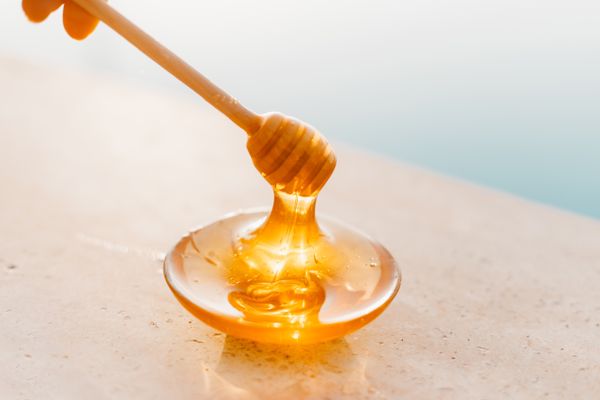
Manuka honey, a product of New Zealand's native Manuka bush, has gained worldwide recognition for its unique properties and potential health benefits. This golden elixir, produced by bees pollinating the Leptospermum scoparium plant, has been used for centuries in traditional medicine and is now the subject of numerous scientific studies. Let's explore the remarkable benefits of Manuka honey and why it's become such a buzzworthy superfood.
Antibacterial Properties
One of the most notable characteristics of Manuka honey is its potent antibacterial activity. While all honey has some antibacterial properties due to its high sugar content and low pH, Manuka honey contains an additional compound called methylglyoxal (MGO). MGO is responsible for the honey's strong antimicrobial effects, making it effective against a wide range of pathogens, including antibiotic-resistant bacteria like MRSA.
The antibacterial power of Manuka honey is measured using the Unique Manuka Factor (UMF) rating system. The higher the UMF number, the more potent the antibacterial properties. This makes Manuka honey a valuable tool in wound care and infection prevention.
Wound Healing
Manuka honey's wound-healing properties extend beyond its antibacterial action. It creates a moist environment that promotes healing while its high sugar content draws out wound fluid, helping to clean the wound. The honey also stimulates the production of inflammatory cytokines, which can promote tissue repair.
Studies have shown Manuka honey to be effective in treating various types of wounds, including:
• Diabetic foot ulcers
• Burns
• Surgical incisions
• Pressure ulcers
Its ability to promote healing while preventing infection has led to the development of medical-grade Manuka honey products for wound care.
Digestive Health
Manuka honey may offer benefits for digestive health. It has been shown to have anti-inflammatory effects in the gastrointestinal tract and may help in the treatment of various digestive issues:
• H. pylori infections: Some studies suggest that Manuka honey may help inhibit the growth of H. pylori, the bacteria responsible for many stomach ulcers.
• Inflammatory Bowel Disease: The anti-inflammatory properties of Manuka honey could potentially help manage symptoms of conditions like Crohn's disease and ulcerative colitis.
• Acid Reflux: The viscous nature of the honey may help coat and soothe the esophagus, potentially providing relief from acid reflux symptoms.
Oral Health
Despite its sweet nature, Manuka honey may actually be beneficial for oral health. Its antibacterial properties can help reduce plaque and gingivitis. Some studies have shown that Manuka honey can be as effective as chlorhexidine mouthwash in reducing plaque formation.
Skin Care
The benefits of Manuka honey extend to skin care as well. Its moisturizing and pH-balancing properties make it a popular ingredient in natural skincare products. Manuka honey may help with:
• Acne: Its antibacterial properties can help fight acne-causing bacteria, while its anti-inflammatory effects may reduce redness and swelling.
• Eczema and Psoriasis: The soothing and moisturizing properties of Manuka honey may help alleviate symptoms of these skin conditions.
• Anti-aging: Rich in antioxidants, Manuka honey may help protect the skin from free radical damage and promote a youthful appearance.
Immune System Support
Manuka honey is rich in antioxidants, which can help boost the immune system and protect the body from oxidative stress. Regular consumption of Manuka honey may help support overall immune function and potentially reduce the risk of certain chronic diseases.
Sore Throat Relief
The viscous nature of Manuka honey, combined with its antibacterial and anti-inflammatory properties, makes it an excellent natural remedy for sore throats. It can help coat and soothe the throat while potentially fighting off the bacteria or viruses causing the irritation.
Considerations and Cautions
While Manuka honey offers numerous potential health benefits, it's important to keep a few things in mind:
• Quality Matters: Look for Manuka honey with a UMF rating of 10 or higher for medicinal use.
• Sugar Content: Despite its health benefits, Manuka honey is still high in sugar and should be consumed in moderation, especially by people with diabetes.
• Allergies: Those with bee allergies should avoid Manuka honey.
• Infant Botulism Risk: Like all honey, Manuka honey should not be given to infants under one year old due to the risk of infant botulism.
• Not a Cure-All: While Manuka honey has many potential benefits, it should not replace prescribed medications or treatments without consulting a healthcare professional.
Conclusion
Manuka honey is truly a remarkable substance, offering a wide range of potential health benefits backed by both traditional use and modern scientific research. From its potent antibacterial properties to its wound-healing capabilities and potential digestive benefits, this golden elixir from New Zealand has earned its place as a prized natural remedy.
As research continues, we may discover even more benefits of this unique honey. However, it's important to remember that while Manuka honey can be a valuable addition to a healthy lifestyle, it should be used as part of a balanced approach to health and wellness. Always consult with a healthcare professional before using Manuka honey for medicinal purposes, especially if you have existing health conditions or are taking medications.