by Yusra » 21 Jun 2024, 09:54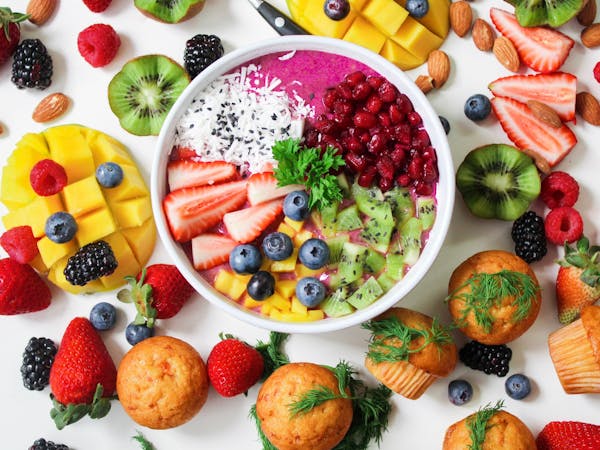
Inflammation is a natural process in the body that helps fight off infections and heal injuries. However, when inflammation becomes chronic, it can contribute to a variety of health problems, including heart disease, diabetes, and autoimmune disorders. The anti-inflammatory diet is designed to combat this chronic inflammation through food choices. Let's explore this diet and some of the best foods to incorporate for maximum benefit.
Understanding the Anti-Inflammatory Diet
The anti-inflammatory diet isn't a specific meal plan, but rather an approach to eating that emphasizes foods known to reduce inflammation in the body while limiting those that may promote it. This way of eating is similar to the Mediterranean diet, focusing on whole, nutrient-dense foods and limiting processed items.
Key principles of the anti-inflammatory diet include:
1. Eating plenty of fruits and vegetables
2. Choosing whole grains over refined grains
3. Including healthy fats, especially omega-3 fatty acids
4. Consuming lean proteins, particularly fish and plant-based sources
5. Limiting red meat, processed foods, and added sugars
6. Incorporating herbs and spices known for their anti-inflammatory properties
Benefits of an Anti-Inflammatory Diet
Following an anti-inflammatory diet may offer several health benefits:
1. Reduced risk of heart disease
2. Better management of autoimmune conditions
3. Improved brain function and reduced risk of cognitive decline
4. Enhanced weight management
5. Lower risk of certain cancers
6. Improved overall well-being and energy levels
6 Foods to Eat on an Anti-Inflammatory Diet
1. Berries
Berries, including blueberries, strawberries, and raspberries, are packed with antioxidants called anthocyanins. These compounds have powerful anti-inflammatory effects. Studies have shown that eating berries can reduce inflammatory markers in the blood and may lower the risk of heart disease and certain cancers.
How to incorporate: Add berries to your morning oatmeal, blend them into smoothies, or enjoy them as a snack.
2. Fatty Fish
Fish like salmon, mackerel, sardines, and tuna are rich in omega-3 fatty acids, particularly EPA and DHA. These healthy fats have been shown to reduce inflammation in the body and may help lower the risk of several chronic diseases.
How to incorporate: Aim to eat fatty fish at least twice a week. Grill, bake, or pan-sear fish for a quick and healthy meal.
3. Leafy Green Vegetables
Vegetables like spinach, kale, collard greens, and Swiss chard are high in antioxidants, vitamins, and minerals. They're particularly rich in vitamin E, which may protect the body against pro-inflammatory molecules called cytokines.
How to incorporate: Add leafy greens to salads, sauté them as a side dish, or blend them into smoothies.
4. Nuts
Almonds, walnuts, and other nuts are rich in healthy fats, fiber, and antioxidants. Studies have shown that people who eat nuts regularly have lower levels of inflammatory markers in their blood.
How to incorporate: Snack on a handful of mixed nuts, add them to salads, or use nut butters in smoothies or on whole-grain toast.
5. Olive Oil
Extra virgin olive oil is a staple of the Mediterranean diet and is known for its anti-inflammatory properties. It contains oleocanthal, an antioxidant that has been shown to work similarly to ibuprofen in reducing inflammation.
How to incorporate: Use olive oil as your primary cooking oil, drizzle it over salads, or use it as a base for homemade salad dressings.
6. Turmeric
This bright yellow spice contains curcumin, a powerful anti-inflammatory compound. Curcumin has been shown to reduce inflammation in various studies and may be particularly beneficial for those with arthritis.
How to incorporate: Add turmeric to curries, soups, and smoothies. Consider pairing it with black pepper, which can enhance curcumin absorption.
Implementing the Anti-Inflammatory Diet
While incorporating these foods into your diet is a great start, remember that the anti-inflammatory diet is about overall eating patterns rather than individual foods. Here are some tips for success:
1. Focus on whole foods
Choose foods that are as close to their natural state as possible.
2. Eat the rainbow
Consume a variety of colorful fruits and vegetables to ensure you're getting a wide range of nutrients and antioxidants.
3. Limit processed foods
Reduce your intake of packaged snacks, sugary drinks, and refined carbohydrates, which can promote inflammation.
4. Stay hydrated
Drink plenty of water throughout the day.
5. Consider your lifestyle
Remember that other factors, such as regular exercise, adequate sleep, and stress management, also play crucial roles in reducing inflammation.
6. Be patient
The effects of dietary changes on inflammation aren't immediate. Give your body time to adjust and reap the benefits.
While the anti-inflammatory diet can be beneficial for many people, it's always a good idea to consult with a healthcare professional or registered dietitian before making significant changes to your diet, especially if you have existing health conditions or are taking medications.
By focusing on nutrient-dense, anti-inflammatory foods and adopting a balanced approach to eating, you can support your body's natural ability to fight inflammation and promote overall health and well-being.