by Yusra » 27 May 2024, 18:54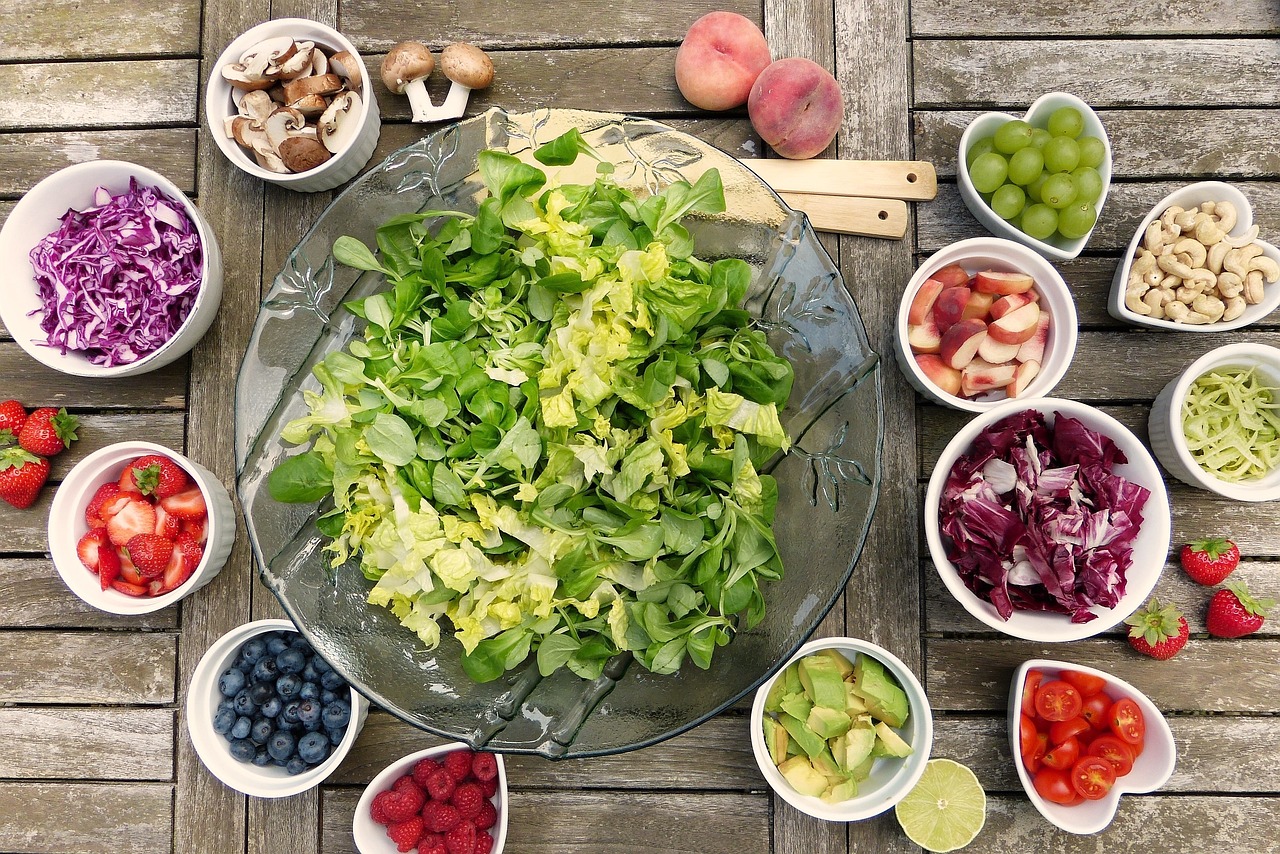
Inflammation is the body's natural response to injury or infection, and it plays a crucial role in the healing process. However, chronic inflammation can lead to various health problems, including autoimmune disorders, heart disease, and even cancer. Fortunately, certain foods have been shown to have anti-inflammatory properties, and incorporating them into your diet can help reduce inflammation and promote overall health.
1. Fatty Fish
Fatty fish, such as salmon, mackerel, sardines, and anchovies, are excellent sources of omega-3 fatty acids. These essential fats have potent anti-inflammatory effects and can help reduce the production of inflammatory compounds in the body. Omega-3s have also been linked to a reduced risk of heart disease, improved brain function, and better mental health.
2. Turmeric
Turmeric is a vibrant spice that has been used for centuries in traditional Indian cuisine and Ayurvedic medicine. Its active compound, curcumin, is a powerful anti-inflammatory agent that has been shown to be as effective as some anti-inflammatory drugs. Curcumin can help alleviate symptoms of arthritis, inflammatory bowel disease, and even certain types of cancer.
3. Berries
Berries, such as blueberries, raspberries, strawberries, and blackberries, are packed with antioxidants and anti-inflammatory compounds. These nutrient-dense fruits are rich in flavonoids, which can help reduce inflammation and protect against chronic diseases. Berries are also an excellent source of fiber, vitamins, and minerals, making them a nutritious addition to any diet.
4. Green Tea
Green tea is a powerhouse of health benefits, and its anti-inflammatory properties are no exception. Green tea is rich in polyphenols, particularly a group of compounds called catechins, which have been shown to reduce inflammation and protect against various chronic diseases, including cancer and heart disease.
5. Nuts and Seeds
Nuts and seeds, such as almonds, walnuts, chia seeds, and flaxseeds, are excellent sources of anti-inflammatory compounds like omega-3 fatty acids, antioxidants, and plant compounds called phytosterols. These nutrients can help reduce inflammation and lower the risk of chronic diseases like heart disease and type 2 diabetes.
Incorporating these anti-inflammatory foods into your diet can be a simple and effective way to reduce inflammation and promote overall health. However, it's important to remember that a balanced diet and a healthy lifestyle are essential for managing inflammation and preventing chronic diseases.
When it comes to reducing inflammation, it's not just about what you eat but also what you avoid. Highly processed foods, sugary drinks, and foods high in saturated and trans fats can contribute to inflammation and should be limited in your diet.
In addition to diet, regular exercise, stress management, and adequate sleep are also crucial for maintaining a healthy inflammatory response. By combining a nutrient-rich, anti-inflammatory diet with other healthy lifestyle habits, you can promote overall well-being and reduce the risk of chronic diseases associated with inflammation.