by Yusra » 21 Apr 2024, 13:09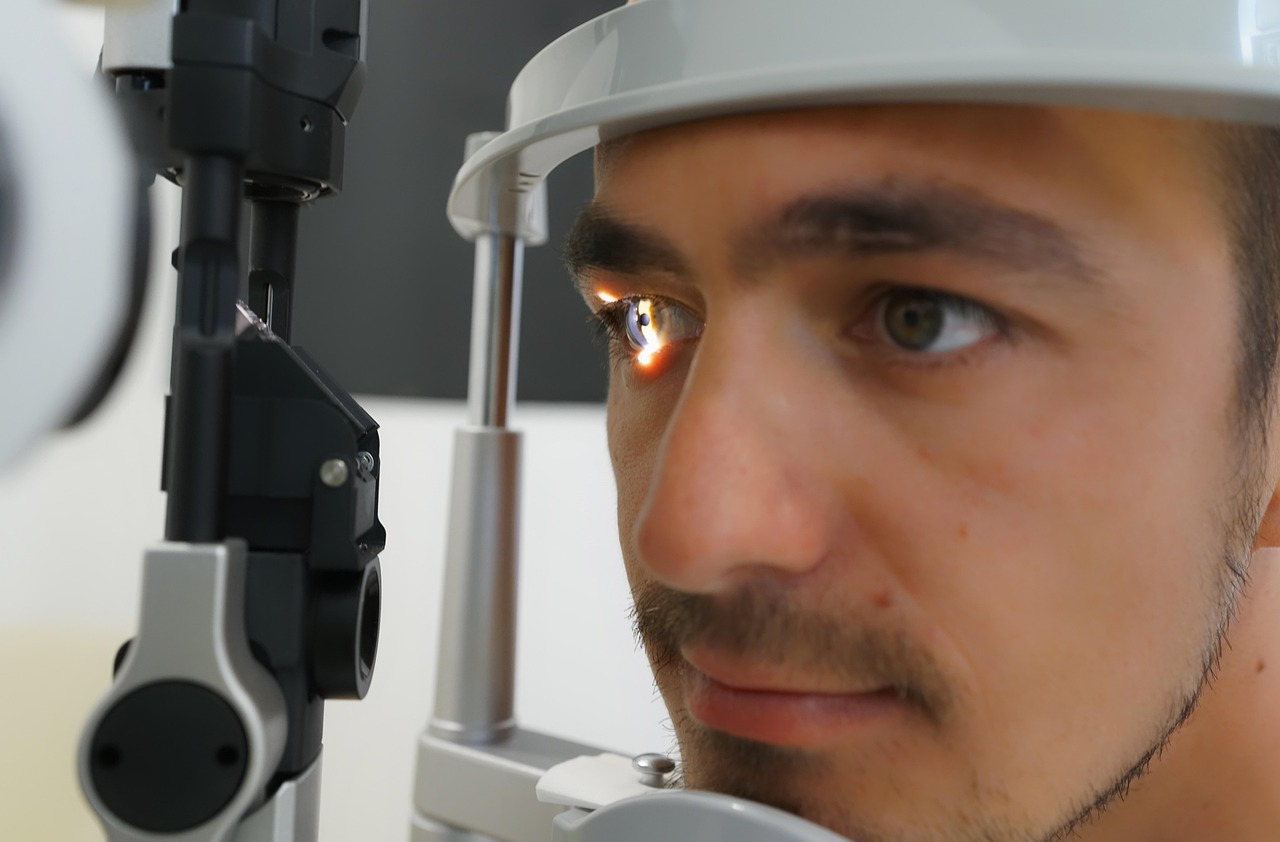
As we age, maintaining our eye health becomes increasingly important, not just for preserving our vision, but for supporting our overall well-being. Our eyes play a vital role in how we experience and interact with the world around us, and neglecting their care can have profound implications beyond just our ability to see clearly. If you're over 40, here's what you need to know about the connection between eye health and overall wellness.
Vision Changes Are Normal, But Not Inevitable
It's natural for our eyes to undergo changes as we get older. Presbyopia, the gradual loss of near vision, typically starts becoming noticeable in our early to mid-40s. Other age-related eye conditions like cataracts, dry eye, and macular degeneration also become more common.
However, while some vision changes are expected, significant impairment is not an inevitable part of aging. Adopting healthy habits, getting regular eye exams, and treating any eye conditions promptly can help preserve your eyesight as you grow older.
Poor Eye Health Increases Fall Risk
One of the biggest threats to overall wellness posed by deteriorating eye health is an increased risk of falls and injuries. Impaired vision, depth perception, and peripheral vision can make it difficult to navigate your environment safely. Falls are a leading cause of hospitalizations and even deaths among older adults.
Maintaining good eye health by managing conditions like cataracts, glaucoma, and macular degeneration helps reduce your fall risk and prevent potentially devastating injuries.
Vision Loss Impacts Mental Health
Our eyes play a crucial role in how we experience the world, so when our vision declines, it can profoundly impact our mental and emotional well-being. Vision loss has been linked to higher rates of depression, anxiety, social isolation, and cognitive decline.
Preserving your eye health and treating any vision impairments can help safeguard your independence, autonomy, and overall quality of life as you age.
Eye Exams Detect Other Health Issues
Comprehensive eye exams don't just evaluate your vision and eye health – they can also provide vital clues about other underlying health conditions. Eye doctors are often the first to detect signs of serious systemic diseases like diabetes, high blood pressure, autoimmune disorders, and even cancer.
By getting regular eye exams, you're taking a proactive approach to monitoring your overall wellness. Early detection and treatment of health issues is always advantageous.
Vision Impacts Risk of Dementia
Recent research has revealed a concerning link between vision impairment and an increased risk of developing dementia, including Alzheimer's disease. The reasons are not fully understood, but it's theorized that losing visual input may contribute to cognitive decline.
Conversely, maintaining good eye health and treating any vision issues may help preserve cognitive function and potentially lower dementia risk.
An Eye on Nutrition
Certain eye conditions like macular degeneration and cataracts have been associated with nutritional deficiencies. Eating a balanced diet rich in eye-healthy nutrients like vitamins C and E, zinc, lutein, and zeaxanthin may help reduce your risk of developing these age-related vision problems.
In turn, properly nourishing your eyes contributes to better overall health and longevity. Your eyes' needs reflect your body's need for vital nutrients.
The Importance of Routine Eye Exams
Perhaps the most crucial step you can take to support your eye health and overall wellness after 40 is to get routine, comprehensive eye exams. Many vision issues have no obvious symptoms in the early stages when they're most treatable.
By adhering to an annual or bi-annual exam schedule recommended by your eye doctor, you give yourself the best chance of detecting and addressing any eye or vision problems before they progress and potentially impact your overall health and independence.
Our eyes play an indispensable role in how we navigate our lives and remain engaged with the world around us. As we reach midlife and beyond, prioritizing our eye health is a critical part of cultivating our overall well-being – physical, cognitive, and emotional.
With some care and proactive efforts, you can preserve your vision for years to come and continue experiencing life's precious moments with crystal clear sight.