by Yusra » 25 Mar 2024, 18:45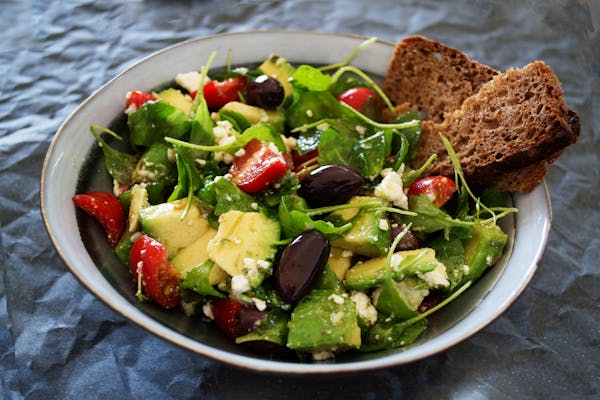
As our population ages, the threat of Alzheimer's disease and other forms of dementia looms large. While age is a major risk factor, emerging research suggests that diet plays a crucial role in preserving cognitive function and potentially reducing the risk of developing Alzheimer's. Enter the MIND diet, a dietary pattern specifically designed to promote brain health and combat the onset of this debilitating condition.
What is the MIND Diet?
The MIND diet, short for Mediterranean-DASH Intervention for Neurodegenerative Delay, is a hybrid eating plan that combines elements from two well-established diets: the Mediterranean diet and the DASH (Dietary Approaches to Stop Hypertension) diet. It was developed by researchers at Rush University Medical Center in Chicago, who studied the effects of diet on cognitive decline and Alzheimer's risk.
The MIND diet emphasizes foods that are rich in brain-boosting nutrients, such as omega-3 fatty acids, antioxidants, and B vitamins, while limiting intake of foods that have been linked to cognitive impairment. It is a flexible, easy-to-follow approach that can be tailored to individual preferences and lifestyles.
Key Components of the MIND Diet
The MIND diet focuses on the following food groups:
1. Green leafy vegetables: Aim for at least one serving per day of nutrient-dense greens like spinach, kale, and broccoli.
2. Other vegetables: Consume a variety of non-leafy vegetables, such as tomatoes, carrots, and bell peppers.
3. Berries: Enjoy berries, including blueberries, strawberries, and raspberries, which are rich in flavonoids and other beneficial compounds.
4. Nuts: Incorporate a daily serving of nuts like almonds, walnuts, and pistachios, which are excellent sources of healthy fats and antioxidants.
5. Whole grains: Choose whole grains, such as brown rice, quinoa, and whole-wheat bread, over refined grains.
6. Olive oil: Use olive oil as your primary cooking oil and in salad dressings.
7. Beans: Consume beans, lentils, and other legumes regularly for their fiber, protein, and nutrient content.
8. Fish: Eat fish at least once per week, focusing on fatty fish like salmon, sardines, and mackerel for their omega-3 fatty acids.
9. Poultry: Opt for poultry like chicken and turkey as sources of lean protein.
Foods to Limit or Avoid
The MIND diet recommends limiting or avoiding the following foods:
- Red meat: Limit intake to no more than 3-4 servings per week.
- Butter and margarine: Replace with healthier fats like olive oil.
- Cheese: Consume cheese in moderation.
- Pastries and sweets: Limit sugary treats and baked goods.
- Fried and fast foods: Avoid fried and highly processed foods.
The Benefits of the MIND Diet
Numerous studies have highlighted the potential benefits of the MIND diet for brain health and Alzheimer's prevention. Research from Rush University Medical Center found that individuals who closely adhered to the MIND diet had a significantly lower risk of developing Alzheimer's disease compared to those who did not follow the diet. The risk was reduced by as much as 53% in strict adherents and 35% in moderate adherents.
Additionally, the MIND diet has been associated with a slower rate of cognitive decline, even in individuals who did not develop Alzheimer's. This suggests that the diet may help preserve brain function and delay the onset of age-related cognitive impairment.
Beyond brain health, the MIND diet shares many similarities with other well-established healthy eating patterns, such as the Mediterranean diet and the DASH diet. As a result, it may also offer benefits for heart health, weight management, and overall well-being.
Putting the MIND Diet into Practice
Incorporating the MIND diet into your lifestyle can be relatively straightforward. Start by increasing your consumption of brain-healthy foods like leafy greens, berries, nuts, and whole grains. Experiment with new recipes and flavors to keep your meals interesting and enjoyable. Gradually reduce your intake of processed foods, sweets, and unhealthy fats.
Remember, the MIND diet is not a strict, all-or-nothing approach. Small, consistent changes can make a significant difference in your overall dietary pattern and cognitive health. Additionally, combining the MIND diet with regular physical activity, social engagement, and cognitive stimulation can further enhance its brain-protective effects.
While the MIND diet is not a guaranteed prevention method for Alzheimer's disease, it represents a promising and proactive approach to supporting brain health as we age. By making mindful choices about the foods we consume, we can potentially reduce our risk of cognitive decline and age-related diseases, while also promoting overall well-being.