





 by Yusra » 04 Aug 2024, 05:28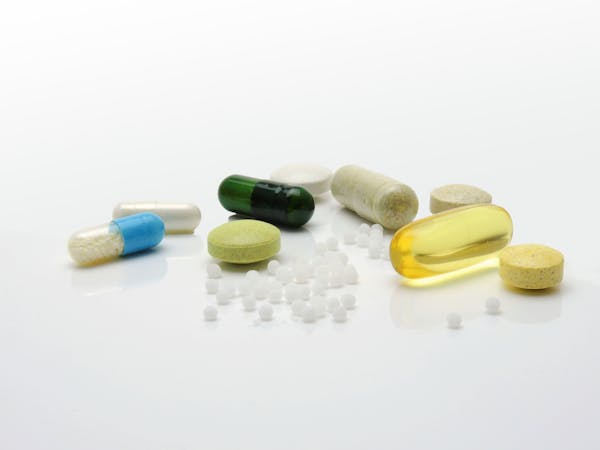
In the world of health and wellness, glutathione has been gaining attention as a powerful antioxidant with numerous potential benefits. Often referred to as the body's "master antioxidant," glutathione plays a crucial role in maintaining our overall health and well-being. But what exactly is glutathione, and what are its benefits? Let's dive into this remarkable molecule and explore its potential impact on our health.
Understanding Glutathione
Glutathione is a tripeptide composed of three amino acids: cysteine, glutamic acid, and glycine. It is produced naturally by our bodies and is found in every cell, with the highest concentrations in the liver. This powerful antioxidant plays a vital role in various physiological processes, including detoxification, immune function, and cellular health.
The Benefits of Glutathione
1. Powerful Antioxidant Properties
As a potent antioxidant, glutathione helps protect our cells from damage caused by free radicals and oxidative stress. This protection is crucial in preventing various chronic diseases and slowing down the aging process.
2. Detoxification Support
Glutathione is essential for the body's detoxification processes, particularly in the liver. It helps neutralize and eliminate harmful toxins and pollutants, supporting overall health and reducing the burden on our organs.
3. Immune System Boost
Glutathione plays a significant role in supporting our immune system. It helps activate and maintain the proper functioning of immune cells, enhancing our body's ability to fight off infections and diseases.
4. Skin Health and Anti-Aging
The antioxidant properties of glutathione may contribute to healthier, younger-looking skin. It can help reduce the appearance of wrinkles, improve skin elasticity, and even out skin tone by inhibiting melanin production.
5. Improved Athletic Performance
Some studies suggest that glutathione may enhance athletic performance by reducing muscle fatigue and increasing strength and endurance. It may also help in faster recovery after intense physical activity.
6. Potential Neurological Benefits
Research indicates that glutathione might have neuroprotective effects, potentially benefiting those with neurological conditions such as Parkinson's disease, Alzheimer's disease, and multiple sclerosis.
7. Liver Health Support
Given its high concentration in the liver, glutathione plays a crucial role in maintaining liver health. It aids in the detoxification of various substances and may help protect against liver damage.
8. Cardiovascular Health
Glutathione's antioxidant properties may contribute to heart health by reducing oxidative stress in the cardiovascular system, potentially lowering the risk of heart disease.
9. Diabetes Management
Some studies suggest that glutathione may help improve insulin sensitivity and reduce oxidative stress associated with diabetes, potentially aiding in better blood sugar control.
10. Cancer Prevention and Treatment Support
While more research is needed, some studies indicate that glutathione may have anti-cancer properties and could potentially enhance the effectiveness of certain cancer treatments.
Boosting Glutathione Levels
While our bodies produce glutathione naturally, various factors such as age, stress, poor diet, and environmental toxins can deplete our glutathione levels. Here are some ways to boost your glutathione levels:
1. Consume Sulfur-Rich Foods: Foods high in sulfur, such as garlic, onions, and cruciferous vegetables, can help boost glutathione production.
2. Increase Vitamin C Intake: Vitamin C helps recycle glutathione, keeping it in its active form.
3. Exercise Regularly: Moderate, consistent exercise has been shown to increase glutathione levels.
4. Get Adequate Sleep: Quality sleep is essential for maintaining optimal glutathione levels.
5. Avoid Excessive Alcohol Consumption: Alcohol can deplete glutathione levels in the body.
6. Consider Supplements: While the effectiveness of oral glutathione supplements is debated, some people choose to take precursor supplements like N-acetyl cysteine (NAC) to support glutathione production.
Potential Side Effects and Considerations
While glutathione is generally considered safe, it's important to note that high doses or long-term use of supplements may have potential side effects. These can include abdominal cramps, bloating, and in rare cases, allergic reactions. Additionally, glutathione may interact with certain medications.
It's always advisable to consult with a healthcare professional before starting any new supplement regimen, especially if you have pre-existing health conditions or are taking medications.
Conclusion
Glutathione is a powerful antioxidant that plays a crucial role in maintaining our overall health and well-being. From supporting detoxification and immune function to potentially slowing down the aging process and protecting against chronic diseases, the benefits of glutathione are wide-ranging and significant.
While more research is needed to fully understand the extent of glutathione's benefits and the most effective ways to boost its levels in the body, maintaining a healthy lifestyle with a balanced diet, regular exercise, and adequate sleep can naturally support your body's glutathione production.
As we continue to learn more about this remarkable molecule, it's clear that glutathione is an essential component of our body's defense system, working tirelessly to keep us healthy and protect us from the daily onslaught of toxins and stressors we face in our modern world.



 She talked very openly about being into skin bleaching and one of the products she absolutely adored was Glutathione. Ever since I found out it can bleach your skin many shades lighter, I stay well clear of anything that contains it

