by Yusra » 14 Jan 2025, 14:26
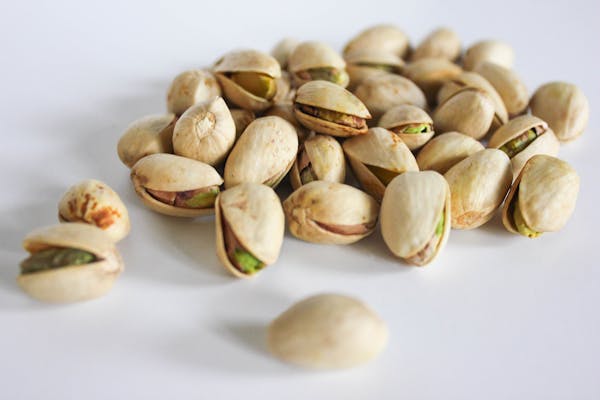
Pistachios have gained significant popularity as a nutritious snack option, but many people wonder about their specific health benefits and potential drawbacks. As a nutritionist examining the latest research on this fascinating tree nut, let's explore the comprehensive nutritional profile and evidence-based health benefits of pistachios.
Nutritional Profile: A Powerhouse of NutrientsPistachios stand out among nuts for their exceptional nutrient density. A one-ounce serving (about 49 kernels) delivers impressive amounts of essential nutrients. These green gems provide approximately 160 calories, 6 grams of protein, 13 grams of healthy fats, and 3 grams of fiber. They're particularly rich in vitamin B6, thiamin, phosphorus, and copper – nutrients crucial for various bodily functions.
Protein Content: A Plant-Based Protein ChampionAmong nuts, pistachios rank notably high in protein content, making them an excellent choice for vegetarians and vegans seeking plant-based protein sources. Their protein composition includes all essential amino acids, though in varying amounts, contributing to muscle maintenance and overall body function. The combination of protein and fiber helps promote satiety, potentially supporting healthy weight management goals.
Heart Health Benefits: Supporting Cardiovascular WellnessResearch consistently demonstrates pistachios' positive impact on heart health. Their unique combination of monounsaturated and polyunsaturated fats, particularly oleic and linoleic acids, helps maintain healthy cholesterol levels. Studies have shown that regular pistachio consumption may help reduce LDL (bad) cholesterol while maintaining or increasing HDL (good) cholesterol levels.
Antioxidant Properties: Fighting Free RadicalsPistachios contain an impressive array of antioxidants, including lutein, zeaxanthin, and gamma-tocopherol (a form of vitamin E). These compounds help protect cells from oxidative stress and inflammation. The distinctive green and purple hue of pistachios comes from anthocyanins, powerful antioxidants linked to various health benefits, including improved cognitive function and reduced inflammation.
Blood Sugar Management: A Diabetes-Friendly SnackFor individuals concerned about blood sugar levels, pistachios offer advantages. Their low glycemic index, combined with their fiber and healthy fat content, helps moderate blood sugar spikes after meals. Research suggests that incorporating pistachios into a balanced diet may improve insulin sensitivity and help manage type 2 diabetes.
Weight Management: Portion Control and SatietyDespite their caloric density, studies indicate that moderate pistachio consumption doesn't contribute to weight gain. Their protein, fiber, and fat content promotes feelings of fullness, potentially reducing overall calorie intake. The act of shelling pistachios may also slow down eating, allowing better recognition of satiety signals.
Gut Health: Supporting Digestive WellnessThe fiber content in pistachios supports digestive health by promoting regular bowel movements and feeding beneficial gut bacteria. Recent research suggests that pistachios may act as prebiotics, nurturing a healthy gut microbiome, which is increasingly recognized as crucial for overall health and immune function.
Potential Considerations and PrecautionsWhile pistachios offer numerous health benefits, certain considerations warrant attention. Those with nut allergies should obviously avoid pistachios. Additionally, their relatively high caloric density means portion control remains important. Choose unsalted varieties when possible to better manage sodium intake, particularly for those with hypertension.
Incorporating Pistachios Into Your DietTo maximize health benefits while managing portions, consider these practical suggestions for incorporating pistachios into your daily diet. Add them to morning oatmeal, sprinkle them on salads, or include them in homemade trail mix. For optimal nutrition, choose raw or dry-roasted pistachios without added oils or excess salt.
The Verdict: A Nutrient-Dense Addition to a Healthy DietBased on extensive research and nutritional analysis, pistachios emerge as a truly healthy food choice when consumed as part of a balanced diet. Their combination of protein, healthy fats, fiber, and various micronutrients supports multiple aspects of health, from heart function to weight management. While portion control remains important, the evidence strongly supports including pistachios in a nutritious eating pattern.
Remember that while pistachios offer impressive health benefits, they should complement, not replace, other healthy foods in your diet. As with any dietary change, consider consulting with a healthcare provider to ensure pistachios align with your individual health needs and goals.
[img]https://images.pexels.com/photos/10060932/pexels-photo-10060932.jpeg?auto=compress&cs=tinysrgb&w=600[/img]
Pistachios have gained significant popularity as a nutritious snack option, but many people wonder about their specific health benefits and potential drawbacks. As a nutritionist examining the latest research on this fascinating tree nut, let's explore the comprehensive nutritional profile and evidence-based health benefits of pistachios.
[b][size=150]Nutritional Profile: A Powerhouse of Nutrients[/size][/b]
Pistachios stand out among nuts for their exceptional nutrient density. A one-ounce serving (about 49 kernels) delivers impressive amounts of essential nutrients. These green gems provide approximately 160 calories, 6 grams of protein, 13 grams of healthy fats, and 3 grams of fiber. They're particularly rich in vitamin B6, thiamin, phosphorus, and copper – nutrients crucial for various bodily functions.
[b][size=150]Protein Content: A Plant-Based Protein Champion[/size][/b]
Among nuts, pistachios rank notably high in protein content, making them an excellent choice for vegetarians and vegans seeking plant-based protein sources. Their protein composition includes all essential amino acids, though in varying amounts, contributing to muscle maintenance and overall body function. The combination of protein and fiber helps promote satiety, potentially supporting healthy weight management goals.
[b][size=150]Heart Health Benefits: Supporting Cardiovascular Wellness[/size][/b]
Research consistently demonstrates pistachios' positive impact on heart health. Their unique combination of monounsaturated and polyunsaturated fats, particularly oleic and linoleic acids, helps maintain healthy cholesterol levels. Studies have shown that regular pistachio consumption may help reduce LDL (bad) cholesterol while maintaining or increasing HDL (good) cholesterol levels.
[b][size=150]Antioxidant Properties: Fighting Free Radicals[/size][/b]
Pistachios contain an impressive array of antioxidants, including lutein, zeaxanthin, and gamma-tocopherol (a form of vitamin E). These compounds help protect cells from oxidative stress and inflammation. The distinctive green and purple hue of pistachios comes from anthocyanins, powerful antioxidants linked to various health benefits, including improved cognitive function and reduced inflammation.
[b][size=150]Blood Sugar Management: A Diabetes-Friendly Snack[/size][/b]
For individuals concerned about blood sugar levels, pistachios offer advantages. Their low glycemic index, combined with their fiber and healthy fat content, helps moderate blood sugar spikes after meals. Research suggests that incorporating pistachios into a balanced diet may improve insulin sensitivity and help manage type 2 diabetes.
[b][size=150]Weight Management: Portion Control and Satiety[/size][/b]
Despite their caloric density, studies indicate that moderate pistachio consumption doesn't contribute to weight gain. Their protein, fiber, and fat content promotes feelings of fullness, potentially reducing overall calorie intake. The act of shelling pistachios may also slow down eating, allowing better recognition of satiety signals.
[b][size=150]Gut Health: Supporting Digestive Wellness[/size][/b]
The fiber content in pistachios supports digestive health by promoting regular bowel movements and feeding beneficial gut bacteria. Recent research suggests that pistachios may act as prebiotics, nurturing a healthy gut microbiome, which is increasingly recognized as crucial for overall health and immune function.
[b][size=150]Potential Considerations and Precautions[/size][/b]
While pistachios offer numerous health benefits, certain considerations warrant attention. Those with nut allergies should obviously avoid pistachios. Additionally, their relatively high caloric density means portion control remains important. Choose unsalted varieties when possible to better manage sodium intake, particularly for those with hypertension.
[b][size=150]Incorporating Pistachios Into Your Diet[/size][/b]
To maximize health benefits while managing portions, consider these practical suggestions for incorporating pistachios into your daily diet. Add them to morning oatmeal, sprinkle them on salads, or include them in homemade trail mix. For optimal nutrition, choose raw or dry-roasted pistachios without added oils or excess salt.
[b][size=150]The Verdict: A Nutrient-Dense Addition to a Healthy Diet[/size][/b]
Based on extensive research and nutritional analysis, pistachios emerge as a truly healthy food choice when consumed as part of a balanced diet. Their combination of protein, healthy fats, fiber, and various micronutrients supports multiple aspects of health, from heart function to weight management. While portion control remains important, the evidence strongly supports including pistachios in a nutritious eating pattern.
Remember that while pistachios offer impressive health benefits, they should complement, not replace, other healthy foods in your diet. As with any dietary change, consider consulting with a healthcare provider to ensure pistachios align with your individual health needs and goals.